Table of contents
- The Unromantic Truth About Floreana Island
- A Quick Reality Check
- Discover Floreana and the Southern Galapagos in Luxury
- The Friction Points (And How to Avoid Them)
- Who Gets the Most Out of It
- Etiquette and Constraints That Actually Matter (Visitor Etiquette)
- Chelonoidis: FAQ: Quick, Useful Details
- How can travelers contribute to Floreana's conservation efforts?
- What role does the local community play in stewardship on Floreana Island?
- What should visitors know about respectful travel practices when visiting Floreana?
- What has been the impact of invasive species removal on local farming outcomes? - If You Want to Do This, Here’s the Move in Floreana Island
Thinking about visiting Floreana Island in the Galapagos? This guide will help you decide whether Floreana matches your travel priorities—whether you're motivated by direct conservation impact, limited crowds, or unique native wildlife like giant tortoises. It's especially relevant for travelers weighing the tradeoff between accessing remote, recovery-focused conservation sites and dealing with logistical and comfort constraints that come with such destinations. If what matters most to you is actively engaging with island restoration and experiencing species reintroduction efforts firsthand, Floreana is the choice to prioritize, even if it means accepting limited amenities and more demanding travel logistics. Be prepared for challenging terrain, occasional weather disruptions, and a different pace of island life, but in return, you'll experience conservation in action alongside Floreana’s community.
Key Takeaways – Floreana Island (Practical)
-
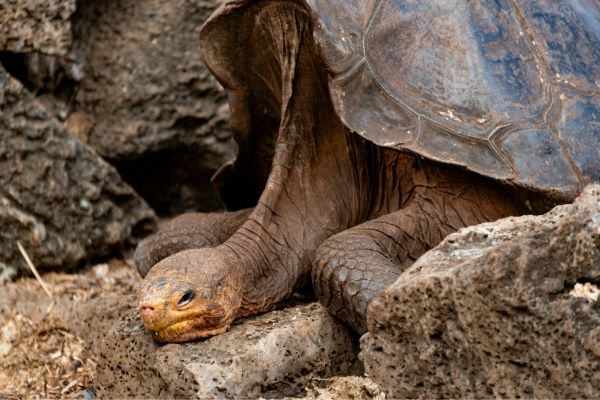
158 captive-bred juvenile giant tortoises now play a direct role in restoring Floreana's ecosystem; expect to encounter signs of ongoing rewilding.
-
Prepare for volcanic slopes and uneven trails—hiking boots are not optional.
-
Targeted removal of invasive species like rats and cats has led to noticeable improvements for local farmers, especially in crop resilience.
-
Conservation hinges on local partners—travelers disengaged from the community risk undermining progress.
-
Ignoring park guidelines or interacting too closely with wildlife can cause measurable harm to both species and restoration efforts.
The Unromantic Truth About Floreana Island
Floreana Island, at the southern tip of the Galapagos, covers roughly 67 square miles of volcanic land and occupies a pivotal place in regional conservation stories. Historically, the island’s 20,000 strong native tortoise population was eradicated by the mid-1800s through overexploitation and invasive species such as rats and pigs. This loss had immediate effects: the altered vegetation patterns and destabilized soil reflect how crucial these tortoises were to ecosystem health. Deciding whether to visit Floreana means weighing the appeal of being witness to a complex restoration experiment against the reality that the island’s landscape still shows deep scars from previous damage.
The recent reintroduction of 158 juvenile tortoises—sourced and bred for genetic compatibility—marks a cautious, hopeful milestone, but daily realities involve active management: expect to see conservation teams at work near lagoons frequented by flamingos and rocky outcrops claimed by marine iguanas. If your travel priorities lean towards understanding hands-on environmental restoration and accepting ongoing ecological risks, Floreana stands out. However, don’t expect pristine wilderness—signs of invasive species control (like traps or fenced-off areas) are common.
If uninterrupted wildlife viewing is your main goal, the fluctuating impact of introduced predators might limit encounters with some native species. Either way, Floreana offers a window into the difficult, adaptive work needed to rebuild an island ecosystem.
A Quick Reality Check
Visiting Floreana isn't straightforward: the island’s isolation means only a handful of guesthouses serve a small flow of travelers, and boat access from Santa Cruz can be both infrequent and weather-dependent. If ease of logistics ranks highest for you, consider neighboring islands with larger port towns. Conversely, if you can accept long boat rides—often involving wet landings and limited shelter from the elements—you’ll reach a place where human presence is both rare and unusually invested in ecological recovery.
Sturdy shoes aren’t just a recommendation but a requirement for traversing hardened lava, and weather shifts rapidly: wind and rain can make trails around the flamingo lagoon or up Cerro Alieri notably more difficult. Because the entire legal status of the island is shaped by conservation rules, expect practical constraints: activities are regulated and enforced, and the resident community (about 160 people) is deeply enmeshed in maintaining these standards for both tourism and subsistence agriculture.
Choose Floreana if you want to see what coexistence between conservation, local agriculture, and limited tourism really looks like on the ground. But accept that flexibility—about timing, comfort, and even planned excursions—is non-negotiable here.
Discover Floreana and the Southern Galapagos in Luxury
Floreana Island blends vivid lagoons, volcanic formations, and centuries of maritime history into one of the most fascinating stops in the Galapagos. From snorkeling at Devil’s Crown to walking along the green sands of Cormorant Point and participating in the historic Post Office Bay tradition, these carefully crafted itineraries allow you to explore the southern islands while enjoying refined comfort and expert-guided excursions.
-
Galapagos South Islands Cruise – 6 Days (5 Nights)
A six-day southern route including Floreana’s Cormorant Point, Devil’s Crown, and Post Office Bay, combined with highlights such as Española, South Plaza, Santa Fe, and Santa Cruz. -
8 Days B Itinerary – Southern & Central Galapagos
An immersive eight-day voyage featuring Floreana’s iconic visitor sites alongside Española, Genovesa, Santiago, and Santa Cruz for a comprehensive wildlife experience. -
4 Days Itinerary – Southern Islands Escape
A shorter four-day expedition including Floreana, Española, and Santa Cruz, ideal for travelers seeking a compact yet wildlife-rich Galapagos adventure.
The Friction Points (And How to Avoid Them)
Confronting the practical realities of Floreana can make or break a trip, especially compared to more streamlined Galapagos stopovers. If maximizing wildlife encounters with minimal disruption is your highest priority, consider the friction below as part of the calculus:
- Wildlife Interactions: The presence of recently reintroduced wildlife means stricter distancing measures—especially near nesting sites for flamingos and tortoise release areas. Ignore “no entry” signs and you could disrupt multi-year projects, not just an afternoon’s observation.
- Invasive Species Awareness: Conservation efforts targeting rats or feral pigs often involve community or visitor participation in awareness initiatives. If you’re unwilling or unable to adapt gear and behavior to biosecurity protocols (like gear disinfection), your movement may be restricted.
- Cultural Engagement: Conservation on Floreana is community-centric; if you mostly seek anonymity as a tourist, you may find the expectation of engagement with local projects more demanding than elsewhere in the archipelago.
Weigh these friction points if your main interest is smooth sailing and easy logistics—for Floreana, a sense of flexibility and willingness to participate is essential, and visitors unwilling to adapt may experience more stress than satisfaction.
Who Gets the Most Out of It
Floreana best suits those who prefer encountering actively managed ecosystems, rather than “untouched” nature. If the idea of walking through a lagoon where pink flamingos mingle near fencing for tortoise protection appeals to your sense of what conservation looks like in real time, this is your setting. Travelers aiming to contribute directly—by joining monitoring walks with residents or supporting invasive species eradication days—find Floreana uniquely rewarding.
The local population’s involvement means visitor experience is highly participatory: the chance to talk with residents about farm recovery post-rat eradication, or to see crops recovering after decades of damage, is a highlight for some and a constraint for others. If, instead, you’re seeking the more curated wildlife encounters found on cruise-based day trips elsewhere in the Galapagos, Floreana’s rugged, locally driven approach may be a mismatch. Align your expectations with your priorities: if contributing tangibly to ecological restoration is meaningful for you, Floreana delivers; if not, the tradeoffs may outweigh the benefits.
Etiquette and Constraints That Actually Matter (Visitor Etiquette)
Responsible travel on Floreana is tightly linked to both biological recovery and social cohesion. If participating in local protocol feels constraining, consider other Galapagos stops. Here, a few etiquette and constraint anchors are critical:
- Leave No Trace: Because of the island's ongoing restoration, discarded food attracts invasive predators; all waste must be packed out, as local disposal options are minimal.
- Community Respect: Economic activity depends on a handful of small farms and local-run tour services. If you spend mostly on outside operators or ignore local customs, it undermines the model that supports conservation efforts.
- Wildlife Protection: Nesting seasons for flamingos or tortoises may close certain trails at unexpected times; following marked routes is non-negotiable and helps ensure breeding success.
- Follow Guidelines: Biosecurity rules, such as disinfecting shoes or using specific paths, are part of daily island life and noncompliance is noticed and addressed directly by both park rangers and the local community.
- Educate Yourself: Join a guided walk or community presentation to fully understand challenges—ignorance can unintentionally cause setbacks in recovery projects if you miss relevant restrictions or safety procedures.
If you’re unwilling to adapt to these constraints, or expect the same leniency seen at busier tourist hubs, Floreana will likely frustrate rather than inspire.
FAQ: Quick, Useful Details
How can travelers contribute to Floreana's conservation efforts?
To make a real impact, opt for tours and guesthouses that fund or directly contribute to local conservation activities, such as habitat monitoring or invasive species removal, and consider supporting established community-led funds rather than third-party organizations. This ensures resources help both the ecosystem and the residents driving its recovery.
What role does the local community play in stewardship on Floreana Island?
Residents aren’t just passive observers: they set the priorities for conservation, participate in habitat monitoring, and sometimes even enforce biosecurity regulations. Travelers who collaborate with community initiatives help these efforts succeed, while those who remain detached may reduce their own access and the efficacy of ongoing projects.
What should visitors know about respectful travel practices when visiting Floreana?
Respectful travel here centers on strict wildlife distance, buying from local outlets, and strictly following all posted rules—especially during tortoise reintroduction periods or on biosecurity protocol days. Treat these as non-negotiables; breaking them can compromise fragile conservation milestones.
What has been the impact of invasive species removal on local farming outcomes?
The active removal of invasive predators like rats and cats has allowed traditional crops—previously destroyed in storage or by field predation—to rebound, improving both yield and community food security. Actively maintaining biosecurity protocols helps prevent these setbacks from returning.
If You Want to Do This, Here’s the Move in Floreana Island
The return of the Floreana tortoise is not a tourist spectacle, but a years-long project dependent on adaptable, conscientious visitors. Choose this experience if you value your role in supporting both ecosystem repair and a small, dedicated community—your decisions on the ground will directly impact the island’s recovery trajectory from here onward.